

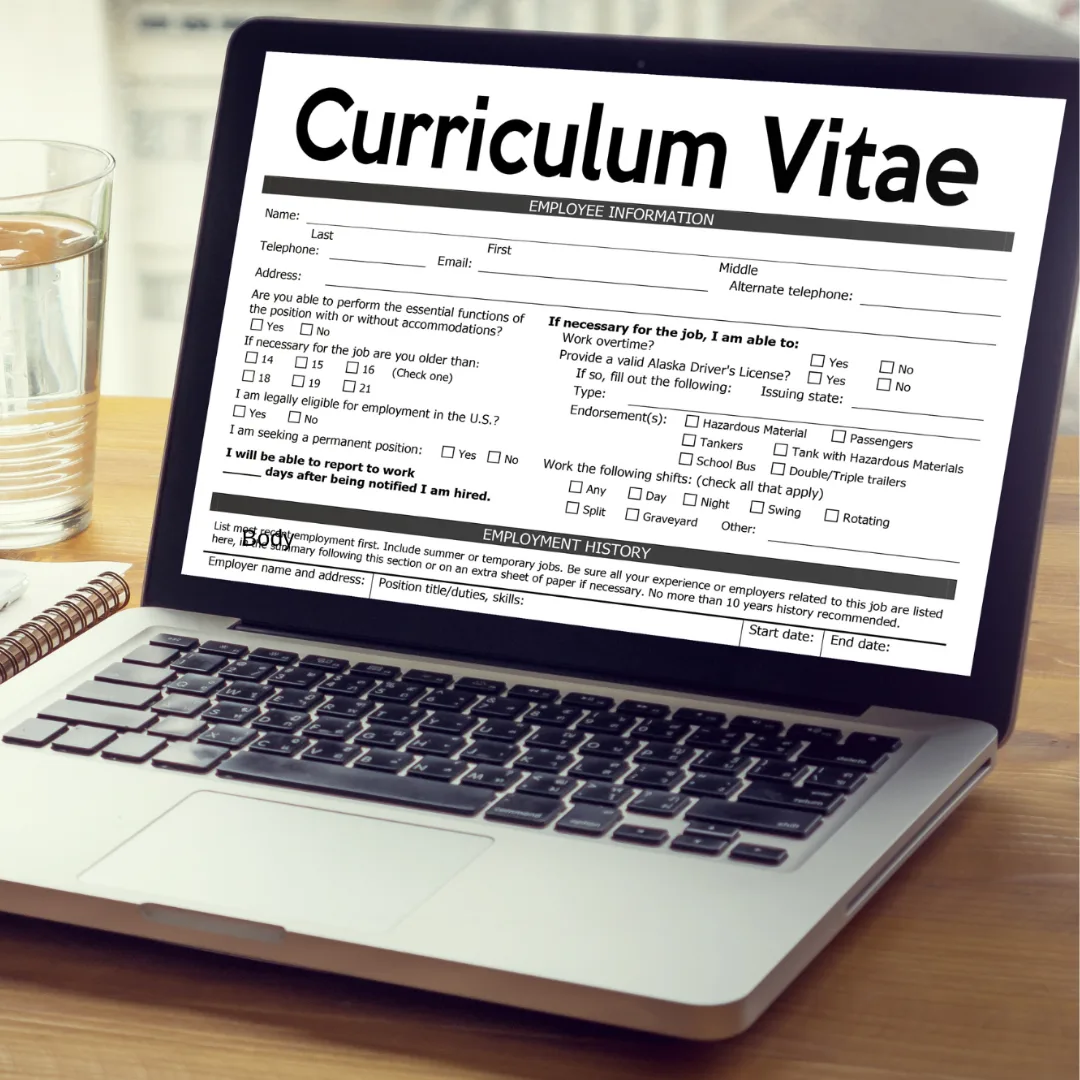
In the competitive job market of South Africa, having a well-crafted CV (Curriculum Vitae) is essential for landing interviews and securing your desired position. Whether you’re a recent graduate, a mid-career professional, or someone looking to change careers, this guide will help you create a CV that stands out to South African employers.
Understanding the South African Job Market
Unique Aspects of the South African Job Market
- Diverse Workforce: South Africa is known for its diverse workforce. Employers value inclusivity and cultural competence.
- Employment Equity: Many companies prioritise employment equity and affirmative action policies to promote diversity.
- Local Languages: Proficiency in local languages, especially if the role requires it, can be an advantage.
Structuring Your CV
1. Contact Information
Ensure your contact information is up-to-date and professional. Include:
- Full name
- Phone number
- Email address
- LinkedIn profile
- Physical location (optional but can be relevant for local jobs)
2. Professional Summary or Objective
Write a brief summary (2-4 sentences) that highlights your career goals, key skills, and what you bring to the role. Tailor this section to the specific job you’re applying for.
3. Education
List your educational background in reverse chronological order. Include:
- Degree(s) earned
- Institution name
- Location
- Graduation date (or expected date)
- Relevant coursework, honours, or distinctions
4. Professional Experience
Detail your work history, starting with the most recent position. For each job, include:
- Job title
- Company name
- Location
- Employment dates
- Key responsibilities and achievements (use bullet points)
5. Skills
Highlight relevant skills that match the job description. Include both hard skills (technical, industry-specific skills) and soft skills (communication, teamwork).
6. Certifications and Licenses
Include any relevant certifications and licenses that enhance your qualifications for the position.
7. Professional Affiliations
Include memberships in professional organisations or associations.
8. Awards and Honors
Highlight any awards, scholarships, or honors you’ve received.
9. Languages
If you speak multiple languages, include this section and indicate your proficiency level. Knowing multiple South African languages can be a significant advantage.
10. References
List references or state “Available upon request.” Ensure you have permission from your references before including their contact information.
Tips for Writing a Strong CV
Tailor Your CV to the Job
Customise your CV for each application. Use keywords from the job description and emphasize relevant experience and skills.
Use Action Verbs
Start bullet points with strong action verbs like “developed,” “managed,” “designed,” and “implemented.”
Quantify Achievements
Where possible, quantify your achievements with numbers or percentages to demonstrate impact (e.g., “Increased sales by 20%”).
Be Concise and Clear
Avoid lengthy paragraphs. Use bullet points and clear headings to enhance readability.
Maintain a Professional Tone
Keep the language formal and professional. Avoid slang and overly casual language.
Proofread and Edit
Check for spelling, grammar, and formatting errors. Consider having someone else review your CV for an objective perspective.
Conclusion
Creating an effective CV requires attention to detail, a clear understanding of the job you’re applying for, and the ability to present your qualifications in a compelling way. By following the guidelines in this ultimate guide, you’ll be well-equipped to write a CV that opens doors to new career opportunities in South Africa. Remember to tailor your CV for each job application, highlight your most relevant achievements, and maintain a professional tone throughout. Good luck with your job search!